Why Local Fishermen Watch Wind and Tides: A Bay Story
Long before the light arrives, someone is standing on the harbour wall with a hand shading their eyes, looking at the water instead of a screen. Fishermen in this bay do not check the wind and the tide because it is folklore. They check because a boat that ignores either one ends up somewhere it should not be, and because the difference between a decent morning's work and a long, wet, pointless one is usually settled before the engine turns over. What follows is roughly what they are looking at — and why it is worth learning even if your own craft is a kayak or a pair of swimming goggles.
The Wall, the Water, and the First Look
The first inspection takes about five minutes and costs nothing. The flag on the masting, the slap of halyards against aluminium, the line of swell breaking across the harbour mouth, the colour of the water inside the breakwater: all of it goes in before anyone unties a rope.
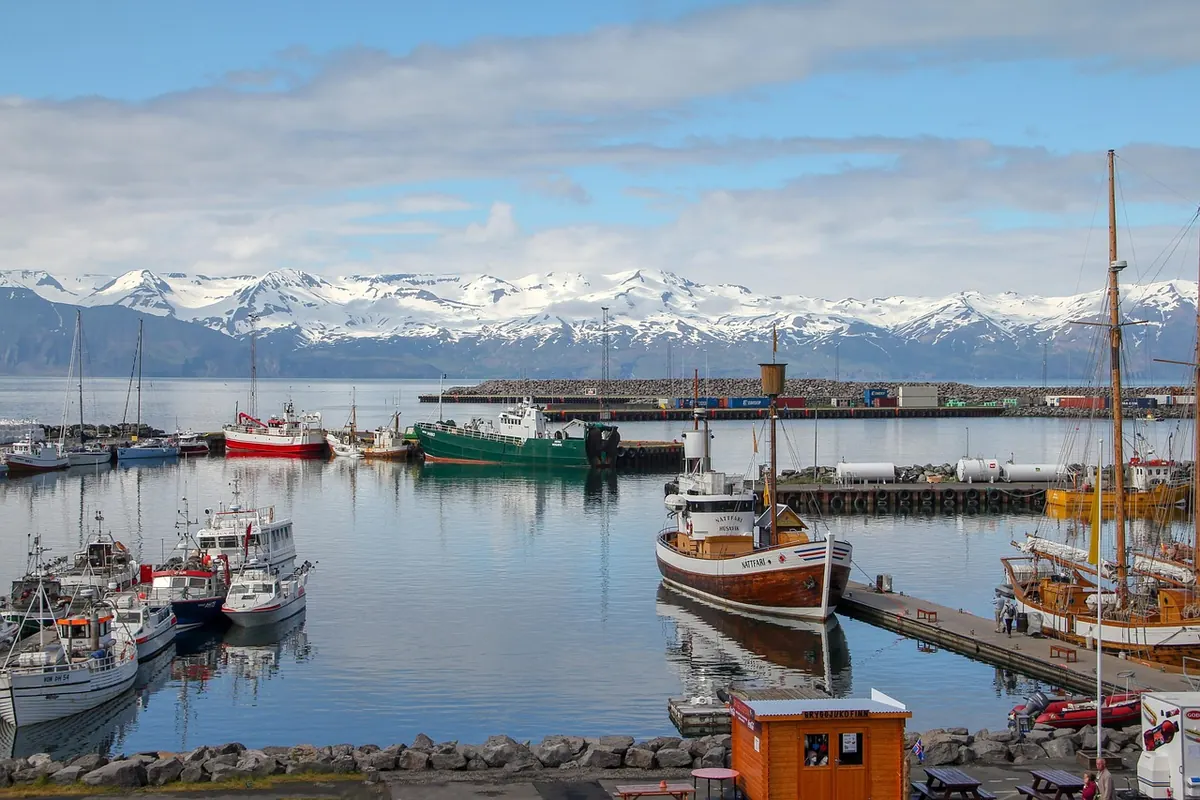
The most useful thing on that wall is not the sky. It is the moored boats. When every hull lies the same way, one force has won — either the wind or the tide — and the water is settled. When half the fleet points one way and half the other, the bay is in the turn, and that hour of slack is the gentlest window you will get at the entrance all day. Fishermen plan around that window the way other people plan around a train.
What Wind Does to a Bay
Local wind names carry centuries of observation in a single word, and they are worth learning even loosely. A tramontana off the mountains is cold, dry and often gusty, arriving in bullets over the headland. A scirocco from the southeast comes soft and humid, pushing a long swell ahead of it and pulling grey cloud behind. A maestrale from the northwest clears the sky and, in this bay, tends to arrive with more authority than the forecast suggests. Each one changes not just the sea state but where the fish are, where the weed collects, and which side of the harbour smells of diesel and which of salt.
Fetch, lee and the shape of the chop
Wind that has crossed a long stretch of open water arrives with a short, steep chop that tires you out far faster than a bigger but slower swell. Wind that has only crossed a few hundred metres behind a headland leaves a deceptive calm. The trick is knowing which is which from the shore: look for whitecaps outside the breakwater, then check whether the water inside is still dark and glassy. That contrast tells you the wind is fighting the shelter of the land, and that the moment you clear the point you will feel all of it at once.
The two daily winds
On settled summer days the bay runs on a rhythm that any regular can set a watch by. A cool down-valley breeze drains out overnight and dies soon after sunrise. By late morning the sea breeze builds in the opposite direction, strongest in early afternoon and gone by evening. Fishermen leave early and come back before that reversal, because a returning boat meeting the afternoon breeze head-on, with a tide running out beneath it, is the least comfortable ride the bay offers.
Tide Is a Current, Not a Number
In a sea like this one, the tidal range looks almost insultingly small — often measured in a handspan rather than a metre. Visitors read the table, see nothing dramatic, and assume the tide does not matter. It matters enormously, because what the table really describes is a volume of water moving through narrow places.
At the harbour entrance, and over the shallow saddle between the beach and the offshore rocks, that movement becomes a current you can see and hear. It runs hardest at mid-tide and goes quiet at slack. Add a strong onshore wind and low pressure and the water can sit noticeably higher than predicted, then drain back over the following day with odd eddies that catch people out. Fishermen treat the tide as a schedule of currents rather than a set of heights: where the mullet will run, which side of the sandbank the nets go, whether the boat will swing clear of the mooring buoy at the turn.
Six Marks Worth Reading Before You Launch
- The swell line at the entrance. Continuous white water outside means a rough exit even on a still morning inside.
- The flag and the halyards. A stiff flag with slack halyards means steady wind; a limp flag with ringing halyards means gusts coming over the hill.
- The angle of the moored boats. All aligned: settled water. Split: the tide is turning.
- The weed line on the slipway. It marks the last high tide. If fresh weed is still above the waterline, the sea is falling; if the line is submerged, it is still rising.
- The birds. Gulls sitting in rafts instead of flying usually means wind on the way. Terns working a narrow strip of disturbed water are marking a tide rip with fish under it.
- The sound. Surf audible on a reef that is normally silent is a message about swell that you cannot see from the quay.
When Wind and Tide Disagree
The ugliest water in the bay is rarely caused by a strong wind alone. It comes from wind blowing against a running tide, which stands the sea up into a short, brutal chop right where you least want it, at the entrance and over the shallow ground. A twenty-knot breeze with the tide behind it is a manageable morning. The same breeze against three hours of ebb is not.
A doubtful morning gets worked through in a fixed order, and it is a routine worth copying:
- Look at the water for five minutes before loading anything into the boat.
- Compare the flag with the moored hulls and decide whether wind or tide is dominant.
- Time the exit for slack water, or for the period when wind and tide push the same way.
- Set a turnaround time, not just a destination. The return leg decides the day.
- Leave word ashore and carry a charged phone in a waterproof pouch, or a VHF if you have one.
- Identify a bail-out in advance — a second harbour, a sheltered anchorage, a beach that is safe in this wind direction.
The Wildlife Reads the Same Signals
None of this is only about boats. The bay's animals are working the same currents. Baitfish gather along the ripple line where tide meets shelter, and the terns and gulls line up above it. Jellyfish drift with the onshore wind and pile into the leeward corner of a cove. Posidonia meadows filter whatever the current brings, which is why the clearest water often appears at slack. If you want to watch rather than fish, the fishermen's timetable is your timetable: the calm hour after the turn, and the sheltered side of the point.
It also means you should keep your distance from working boats and from birds rafted up on the water. A raft of resting gulls lifted off the surface by a low-flying drone or an over-eager paddler burns energy they need. Read the water, then leave it be.
Taking the Habit Ashore
You do not need local names for the winds to borrow the method. Check the forecast and the tide table the night before, then check the water itself in the morning, because the bay will always have the last word. Note the wind direction as an arrow on a scrap of paper, and ask yourself which shore that makes dangerous by afternoon. Plan to be back before the sea breeze turns against you.
Dress for the water rather than the air, wear a buoyancy aid on anything that floats, and if you are new to this coast, go out first with someone who knows it or with a local club. Cold water is the part nobody expects; it steals strength quickly, whatever the air temperature says. Wind and tide are not obstacles to be beaten. They are the bay's ordinary grammar, and the people who work here have simply learned to read it out loud.
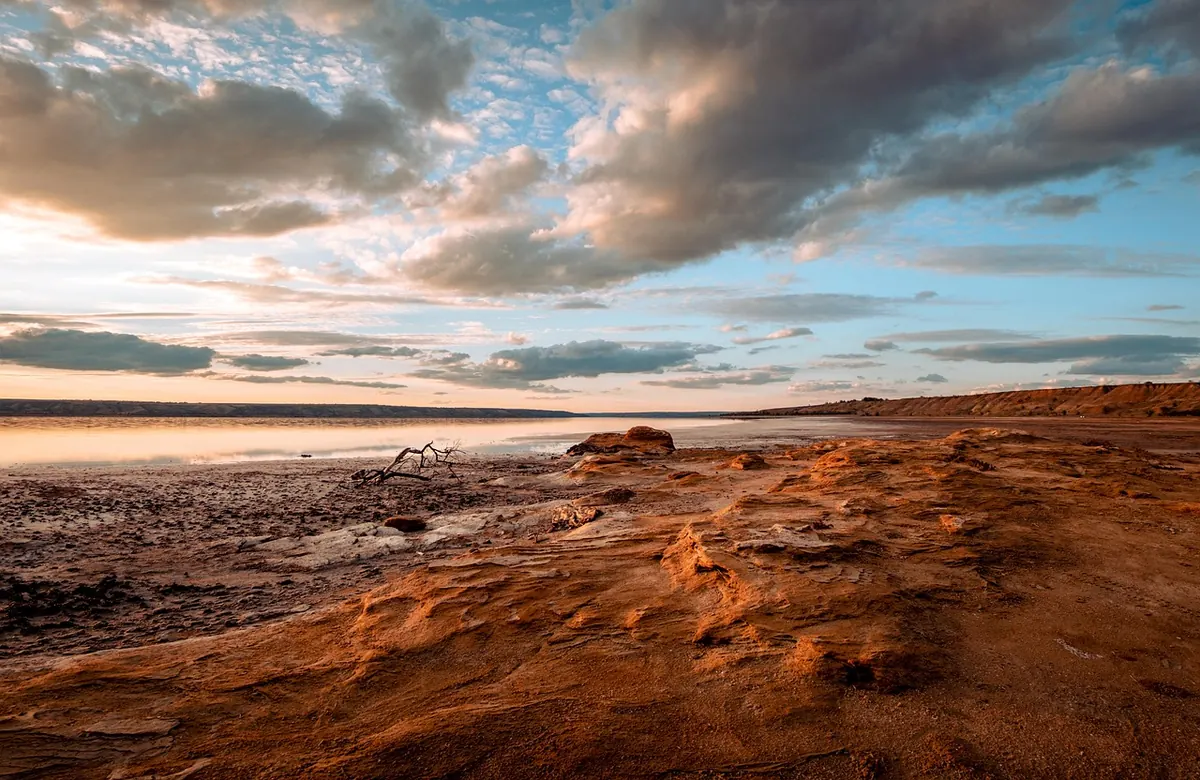
Photo: XtianDuGard / Pixabay
How to Photograph Coastal Wildlife Without Disturbing It
Practical field craft, camera settings and distance rules for photographing coastal wildlife so the animal...
Dawn or Dusk? When to Watch Wildlife Around the Bay
Dawn offers calm water, birdsong and undisturbed animals; dusk brings roost flights, silhouettes and the...
About Us