Tide Pool Observation Checklist: 10 Steps to Protect Coastal Wildlife
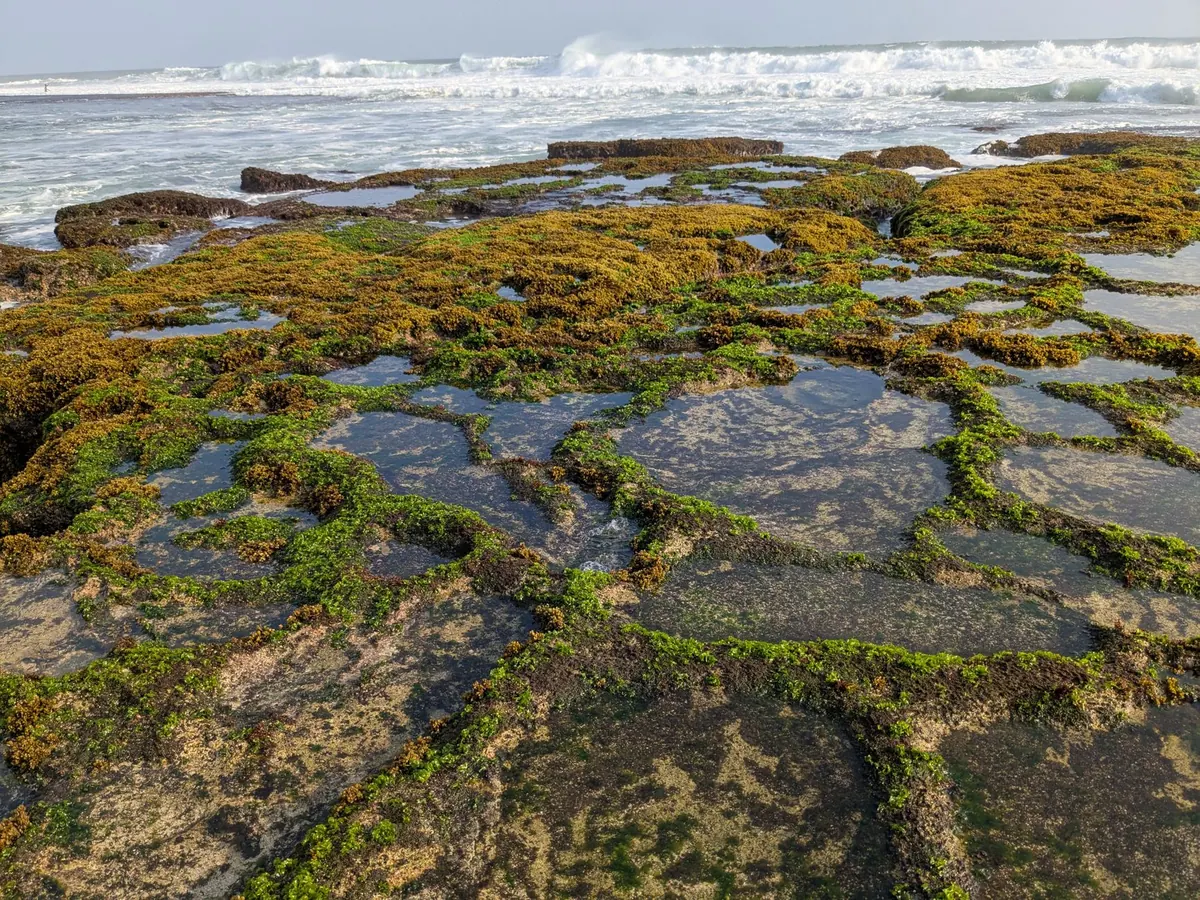
A low tide on a rocky shore opens a small, crowded world: anemones holding their tentacles open like wet flowers, hermit crabs arguing over borrowed shells, a sculpin sitting so still you take it for a stone. It is also a world built from soft bodies and thin films of life, where one boot heel or one flipped rock can undo years of slow growing.
Tide pooling well is a skill, and most of it comes down to a handful of habits repeated every time you go out. What follows is the checklist to run through in the car park, at the edge of the pool, and on the walk back up the beach.
Start With the Tide Table, Not the Weather
A tide pool is only a pool for a couple of hours. Go on a falling tide and arrive an hour or so before low water, then follow the sea out. The animals at the lower edge of the shore are the ones most people never see, and the only way to meet them is to be there when the water pulls back furthest — usually on spring tides around the new and full moon.
Two things catch people out. First, an onshore wind or a heavy swell can push water higher up the shore than the table suggests, so a nominal low tide may barely uncover the rock. Second, low water does not stay low: the sea turns and comes back faster than most first-time visitors expect, filling channels behind them. Check the height of the next high tide before you commit to walking around a headland.
Leave a margin
Give yourself twice as long to get back as it took to get out, and turn around while the water is still well below the route you came in on. If you have to hurry, you have already left it too late.
The Ten-Step Checklist
Run through this before you step onto the rock and again while you are out there. It takes about a minute to read and it covers almost everything that matters.
- Check the tide and the swell. Look at a local tide table, the harbour office noticeboard or a lifeguard's board, and look at the sea itself before you commit. A calm forecast is not the same as a calm shore.
- Know who manages the shore. Many rocky coasts sit inside a marine reserve, national park or voluntary no-take area, and some of these forbid collecting, handling or even turning rocks. Read the sign at the trailhead — it is usually the most useful paragraph you will read all day.
- Wear shoes that grip and clothes that can get wet. Wet rock is slippery, and urchins and sharp barnacle crusts punish bare feet. Old trainers with tread are ideal; a towel and a dry layer in the bag are not optional extras.
- Watch the ocean, not only the pool. Crouch down and you lose your view of the horizon, which is exactly when a larger wave arrives. Look up every minute or two, never turn your back on the water, and keep small children within arm's reach.
- Step on bare rock, not on living things. Mussel beds, barnacle crusts, anemone-covered boulders and seaweed holdfasts all crush under a boot. Aim for pale, dry or weed-free stone, and treat every dark patch as something's home.
- Slow down and let your eyes adjust. Most of the life in a pool appears only after you have stood still for a minute or two. Look at the edges, under overhangs, in the shadowed crevices and along the line where the pool meets dry rock.
- Keep your hands out of the water. Anemones close for a long time after a poke, and sunscreen, insect repellent and skin oils do not belong in a pool. If you need a closer look, lower your face to the water rather than lifting the animal to your face.
- If you lift a rock, put it back exactly as you found it. Same spot, same orientation, same side up, eased down gently so nothing underneath is crushed. If a rock needs two hands and a grunt, leave it alone — you will not get it back correctly.
- Use a bucket or viewer briefly, then return everything. A white tray or a clear-bottomed viewer shows you far more than a jar, and nothing has to leave the water. If you do borrow an animal for a few minutes, keep it shaded and cool, handle nothing with dry fingers, and put it back precisely where it came from.
- Take photographs, not souvenirs. Empty shells are future hermit crab homes, and seaweed torn from its holdfast is dead weight in a bag. A phone photo, a sketch or a written note records the sighting and leaves the pool intact.
Reading a Pool Without Getting Your Hands Wet
Get low — kneeling or lying flat at the pool's edge — and keep your shadow behind you so it does not fall across the water. Polarised sunglasses cut the glare and let you see straight through the surface. Then wait.
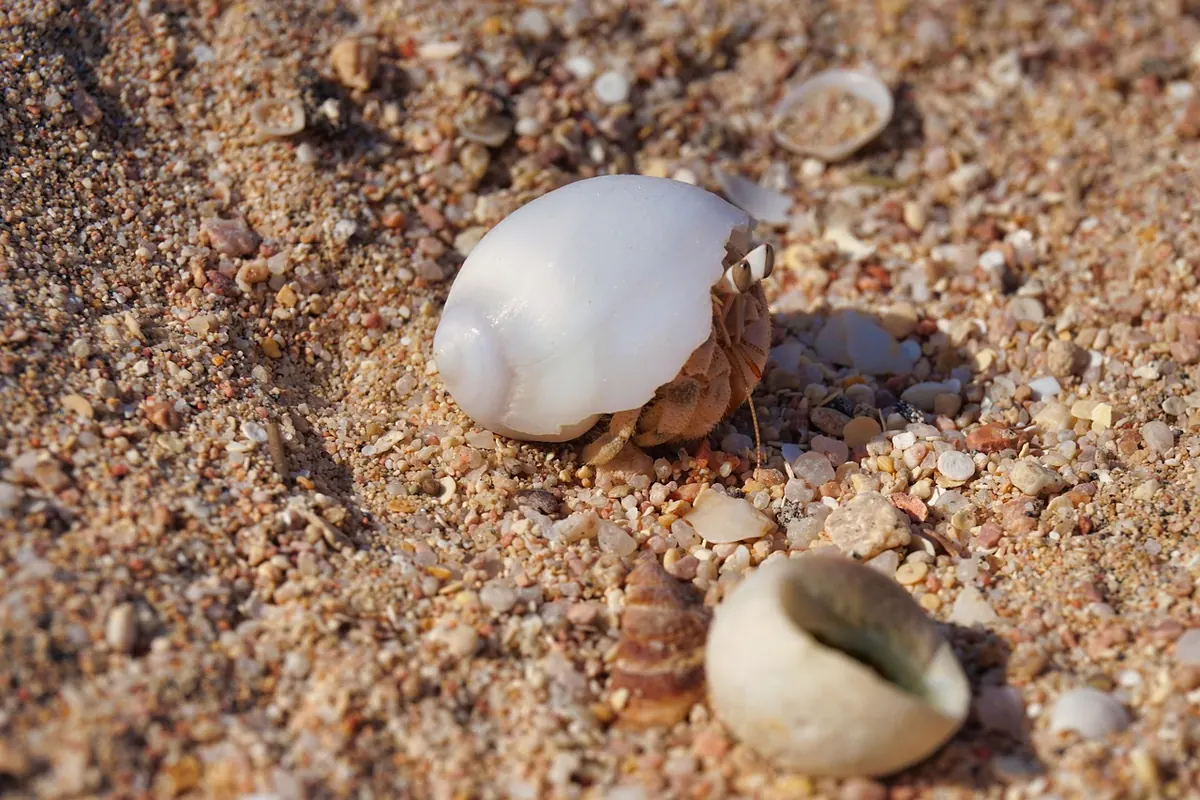
Watch for movement rather than shape. A sculpin will sit tight for a long time and then dart a few centimetres; a hermit crab gives itself away by the wobble of a shell that seems to be walking. Learn three or four common residents properly — a barnacle, a limpet, an anemone, a hermit crab — instead of trying to name everything in one visit. And go back to the same pool at a different tide: a shore you know well teaches you more than a new one every weekend.
If you can hear the rock under your feet — that wet, sucking sound of a mussel bed shifting — you are standing somewhere you should not be.
If You Find Something Wrong
Entangled birds and seals, oil on the rocks, someone filling a bag with live crabs: these are worth reporting, and you do not have to fix them yourself. Note the location, the time and what you saw, keep your distance, and keep dogs well back. The reserve warden, harbour office or local wildlife authority will know who handles it. Never attempt to move or handle a seal, and do not chase an injured bird to catch it.
Leave the Shore a Little Better Than You Found It
The last habits happen on the way out. Carry a bag and take a few pieces of litter with you — gloves or a stick for anything sharp or broken. Rinse and dry your boots, buckets and nets before you visit a different shore, because mud and weed carried between sites can move small organisms and invasive species along the coast with you.
Record what you saw if there is a local wildlife recording scheme; a photo with a date and place is genuinely useful, and it costs the shore nothing. And if you took a wrong step, turned a rock badly or watched an anemone close because of your finger, note it and do it differently next time. Careful tide pooling is not about being perfect on the first visit. It is about being the kind of visitor a pool can recover from.
Photo: Shawn adriant / Pexels

Why Local Fishermen Watch Wind and Tides: A Bay Story
In one Mediterranean bay, fishermen read wind, tide and the water's small signals before dawn — habits any...
How to Photograph Coastal Wildlife Without Disturbing It
Practical field craft, camera settings and distance rules for photographing coastal wildlife so the animal...
About Us